
Oil Analysis
Oil and lubricant analysis for industrial plant
Laboratory-backed lubricant testing with engineering interpretation — wear metals, contamination and oil degradation read together rather than reported as a table of numbers.
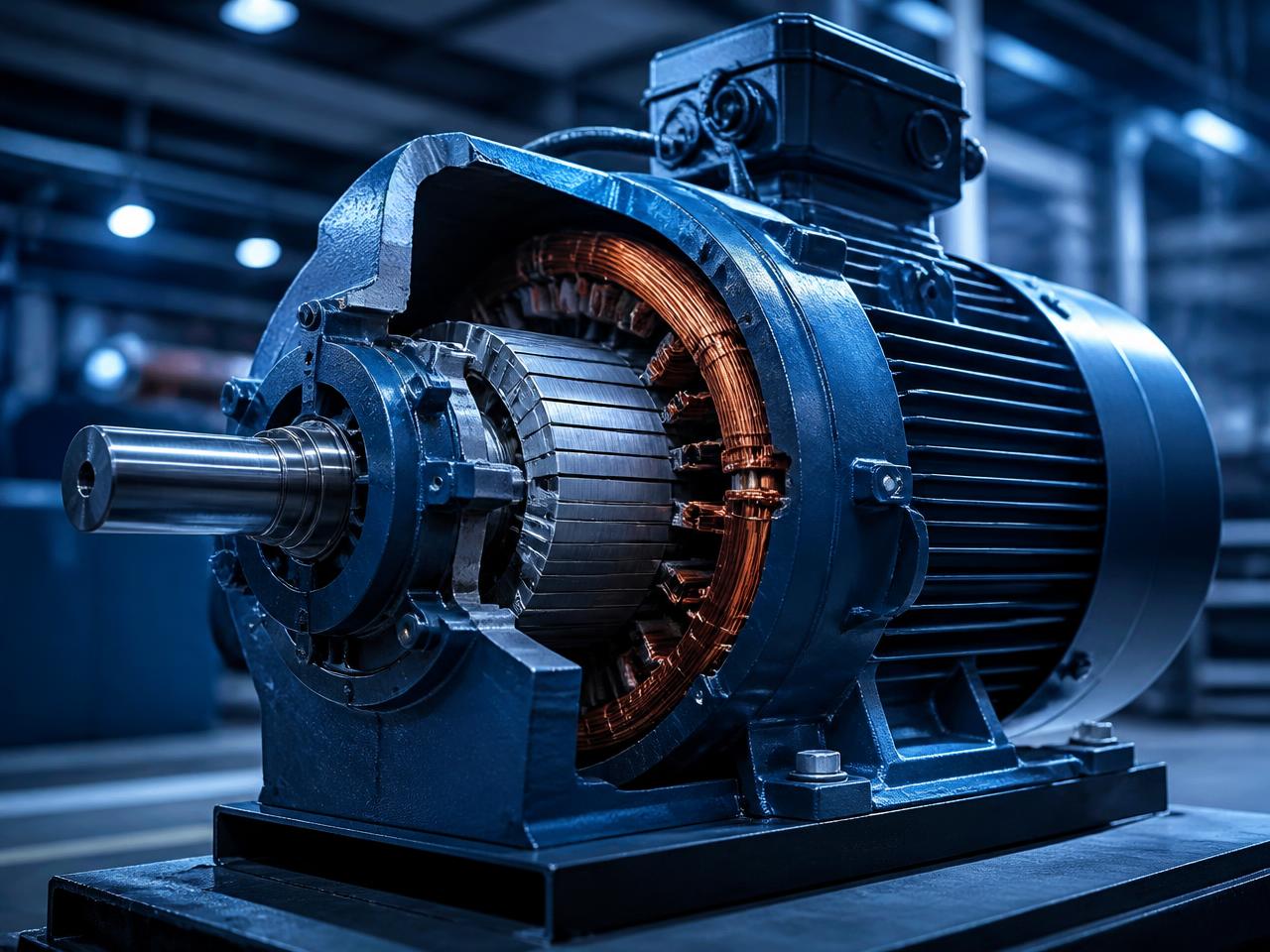
Oil analysis answers questions vibration cannot. It sees wear at a microscopic scale, before a defect is large enough to change a spectrum, and it distinguishes between a machine that is wearing out and a lubricant that has simply reached the end of its service life. Applied to gearboxes, hydraulics, compressors and turbine systems, it typically extends drain intervals while reducing wear-related failures.
Sampling matters more than the test suite. Samples are drawn from a consistent live zone, mid-flow where possible, with the machine at operating temperature and using clean sampling hardware, so results are comparable between visits. Where a sampling point does not exist or is poorly placed, its relocation is recommended as part of the report.
Results are interpreted against the machine, its duty and its history — not just against generic laboratory limits. A rising iron trend on a gearbox with a known bearing fault means something different from the same trend on a newly rebuilt unit, and the report says so.
Conditions commonly identified
- Abnormal wear metal generation and its likely source component
- Water ingress, free and dissolved
- Particulate contamination against ISO 4406 cleanliness codes
- Oxidation, nitration and additive depletion
- Viscosity drift and cross-contamination of lubricants
- Coolant and process fluid ingress
- Transformer oil dielectric and dissolved gas concerns
What you receive
- Full laboratory report with wear metals, contamination and fluid condition
- Trend comparison against previous samples on the same asset
- ISO 4406 cleanliness coding where relevant to the machine
- Plain-language interpretation of what the numbers mean for the machine
- Recommended actions: continue, resample, filter, drain or investigate
- Sampling point and lubrication practice recommendations where required

Oil Analysis — common questions
Who takes the samples?
Either party. Where your team samples, we will specify the sampling points, hardware and procedure so results stay comparable between visits — inconsistent sampling is the most common reason oil data is unusable.
How long do laboratory results take?
Typically five to seven working days from the laboratory receiving the sample, with interpretation issued alongside. Urgent samples can be expedited where a machine decision depends on the result.
Can oil analysis replace vibration monitoring?
No — they answer different questions. Oil analysis sees wear at a microscopic scale and assesses the lubricant itself; vibration sees defects once they are large enough to change the machine's dynamics. On critical gearboxes the two together are far stronger than either alone.
Other services
Looking for the full picture? Return to the main capability overview.